
My Karate Journey - How a structured hobby can help teenagers develop life skills, confidence and resilience!
- resilientfuturesco
- Nov 6, 2024
- 6 min read

Introduction
One of the best ways to help teenagers develop these life skills and positive traits is through structured activities that promote personal growth. I grew up taking part in a variety of sports and clubs such as Scouts and a local youth club. I personally attribute a lot of my life skills development, confidence and resilience to participating in Karate from 10-22 years old.
The connection I had with my instructors and peers, the lessons I was taught and skills I developed are still play a big part of who I am today! Throughout my time at University I continued training, but also took the opportunity to explore through both my undergraduate and postgraduate research project the power of martial arts as a hobby for personal development in young people.
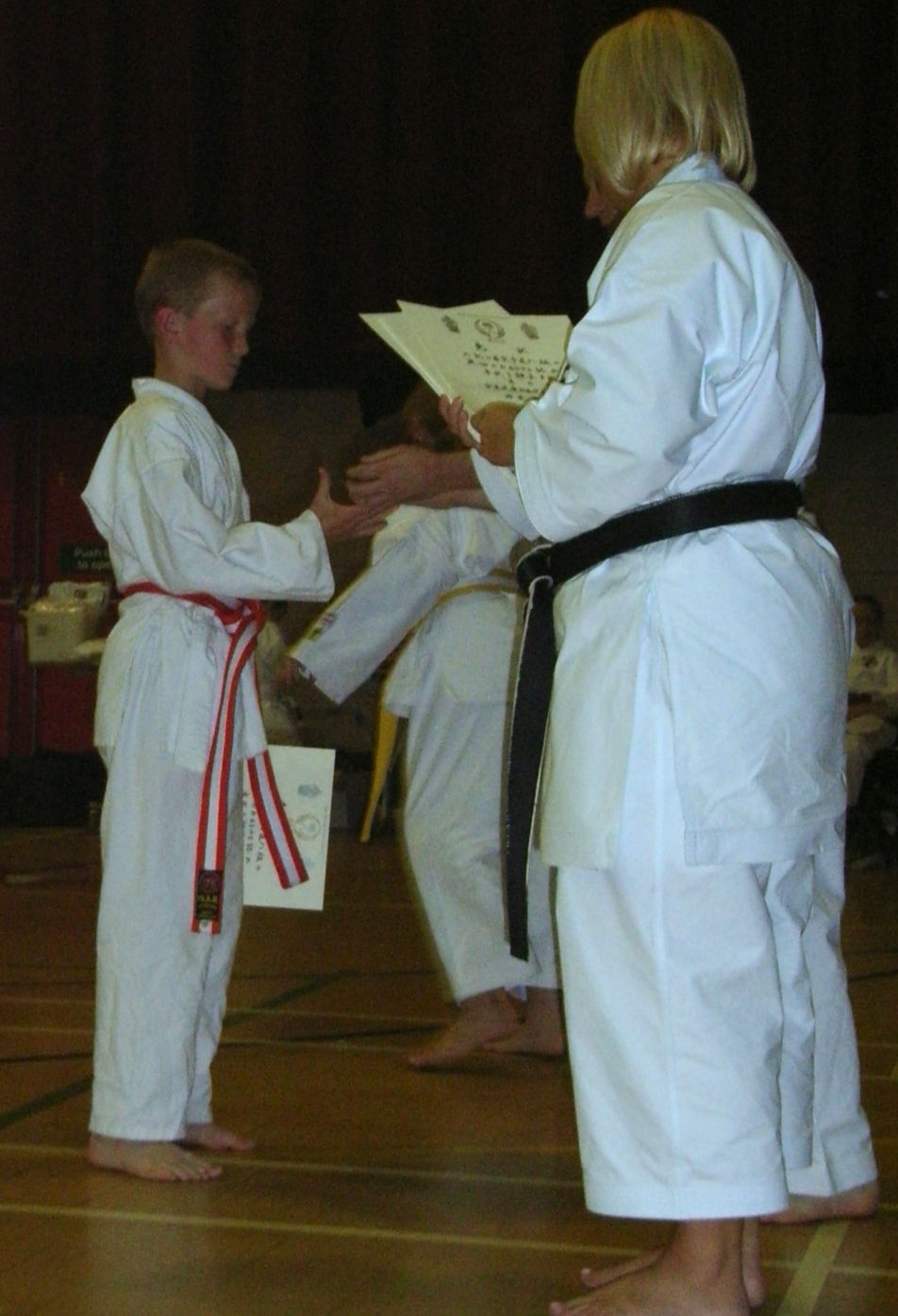
Pictures - From my early days passing my orange belt (aged 12) through to competing at the Shitoryu Karatedo World Championships in Mexico in 2016 (aged 21).

NOTE -
This blog explores how karate supports the growth of these qualities, and how you, as a parent, can supplement these skills both through encouraging participation in karate or any other hobbies and by reinforcing them at home.
1. Courtesy and Respect: Foundations of Emotional Intelligence
Karate instills courtesy and respect, which are not only essential in the dojo (practice hall), but also foundational components of emotional intelligence. Bowing, observing dojo etiquette, and mutual respect for peers and instructors teaches teens to value others and communicate respectfully. These rituals reinforce emotional regulation and foster a respectful attitude, helping teens appreciate the importance of kindness and empathy.
How Parents Can Support
Encourage Involvement in Structured Hobbies: Enrolling your teen in karate or similar activities that emphasize respect will expose them to environments where they’re encouraged to practice courtesy and respect.
Model Courtesy at Home: Demonstrate courtesy at home by saying “please” and “thank you” and encourage them to do the same. Acknowledge polite behaviour when you see it—complimenting your teen for showing respect to others reinforces the importance of this skill.
Create Family Etiquette: Establish family rules around respect, such as listening when someone is speaking or cleaning up shared spaces. This can mirror the dojo’s etiquette and help teens understand that respect is a fundamental value in many areas of life.
2. Patience and Acceptance: The Strength to Handle Setbacks
Karate teaches that success takes time and setbacks are part of the journey. Students learn to approach goals gradually, developing a sense of patience with their progress. This acceptance of their current skill level and the need for perseverance translates into a resilient mindset, which is crucial for facing challenges in all aspects of life.
Personally, the first time I went to a grading for 1st Dan (1st Black Belt), I messed up under the pressure and failed. I have my parents to thank for both encouraging persistence and to get back to training to go again the next time, which I passed.
How Parents Can Support
Encourage Hobbies with Progression: Activities like karate, music, or art, where skill develops over time, teach patience and resilience. Encourage your teen to stick with these pursuits even when progress feels slow.
Model Resilience: Share examples of times you’ve faced setbacks and how you overcame them. Teens benefit from seeing that persistence is a lifelong skill that everyone needs.
Support Problem-Solving: When your teen faces challenges, encourage them to brainstorm solutions rather than jumping in to help. This empowers them to work through difficulties, nurturing patience and acceptance of setbacks as part of learning.
3. Building Social Skills and Strong Relationships
Karate involves partner drills, group exercises, and collective learning, which help teens develop active listening, cooperation, and empathy. They learn to interact respectfully with people from diverse backgrounds, an invaluable skill as they mature into adulthood. This inclusive environment provides teens with a sense of belonging and encourages them to form bonds that strengthen their social confidence.
How Parents Can Support
Foster Group Activities: Encourage your teen to engage in group activities, whether through karate, team sports, or other social hobbies. These experiences build teamwork and communication skills, as well as friendships with diverse groups of people.
Practice Social Scenarios: Discuss social situations that might come up in karate or other activities and explore appropriate responses together. This helps teens feel more confident in their interactions and learn from any missteps.
Promote Family Discussions: Regular family discussions where everyone shares their day or thoughts can also help teens improve their social skills. This helps them practice active listening and speaking in a safe, supportive environment.
4. Goal Setting and Perseverance
Karate’s belt system teaches students to set goals and work steadily towards them, cultivating both planning skills and the discipline needed for success. These small, achievable goals show teens that progress happens in steps, not leaps, and that perseverance is key. When teens learn to set and achieve goals in karate, they develop critical skills for school, personal projects, and their future careers.
How Parents Can Support
Encourage Personal Goals: Help your teen set personal goals at home, whether related to academics, chores, or personal interests. Guide them in creating small, manageable steps, which makes the process feel achievable.
Celebrate Milestones: Celebrate progress toward these goals with praise and encouragement. Recognising their efforts—whether they’re earning a new belt or achieving a personal milestone—motivates teens to stay dedicated.
Teach Reflection: After a setback, encourage your teen to reflect on what they’ve learned, rather than seeing it as a failure. Discuss how they can apply these lessons to future goals, reinforcing the perseverance that karate instills.
5. Self-Confidence: A Growing Sense of Capability
Karate challenges teens through progressive skill mastery, from advancing through belts to mastering new techniques. Each achievement, however small, builds their confidence and belief in their abilities. This sense of self-assurance helps them take on new challenges, both in and out of the dojo, with a greater level of comfort and confidence.
How Parents Can Support
Encourage Challenging Hobbies: Karate is ideal for building self-confidence, but any challenging activity can reinforce this. The key is for your teen to experience accomplishment by setting and achieving personal goals, whether in a sport, the arts, or academics.
Avoid Over-Praising: It’s important to strike a balance between support and encouragement. Over-praising every small achievement can lead to an inflated sense of self-confidence that isn’t grounded in real effort. Instead, acknowledge when they’ve worked hard or taken risks to reach a goal.
Promote Positive Self-Talk: Encourage your teen to speak positively to themselves and focus on their progress rather than their mistakes. This practice reinforces the resilience and confidence they build in karate.
6. Discipline: The Power of Self-Control
Karate emphasizes self-discipline, as it requires teens to stay focused, listen actively, and practice with dedication. This skill supports success in school, personal responsibilities, and other commitments, helping teens manage their time and energy effectively. The structured nature of karate fosters self-control, an essential skill for navigating adolescence and adulthood.
How Parents Can Support
Create Structure at Home: Establish routines that help your teen understand the value of discipline. Setting a consistent schedule for homework, chores, and leisure activities provides a foundation for good habits.
Teach Time Management: Encourage your teen to plan and prioritize their tasks, which builds the self-discipline required to balance multiple commitments. This complements the focus and time management skills they learn in karate.
Discuss the Value of Delayed Gratification: Talk with your teen about the importance of working toward long-term rewards. Reinforcing the idea of “earning” something through effort supports the self-discipline they gain from their karate practice.

Conclusion
Karate offers a powerful way for teens to develop essential life skills that help them become resilient, respectful, and self-confident. Encouraging your teen to participate in karate or another structured activity that promotes personal growth can be transformative. By reinforcing these lessons at home, you can help your teen thrive both on the mat and in all areas of life. For parents looking to foster resilience, confidence, and positive habits, karate can be more than just a sport—it’s a pathway to lifelong success.
Picture above: Performing a kata (a detailed sequence of martial arts movements used to practice form and technique).


Comments